MIS Login

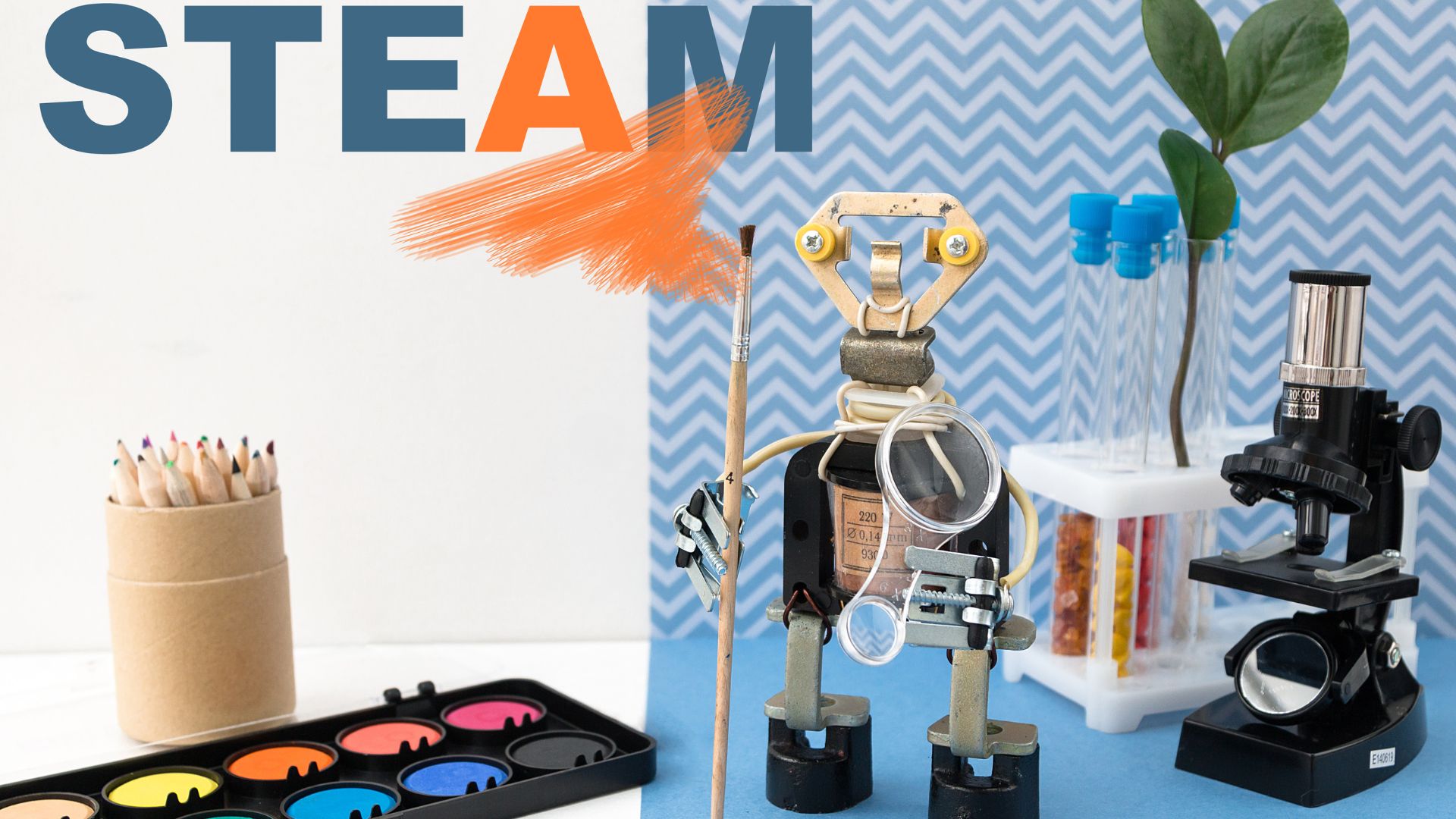
In recent years, there has been a growing emphasis on STEAM education, an approach to learning that integrates science, technology, engineering, arts, and math. STEAM education is designed to prepare students for the demands of the 21st century, where the ability to think creatively, problem-solve, and work collaboratively is essential.
One of the key features of STEAM education is its interdisciplinary approach. By integrating these different subject areas, students are able to see how they are all connected, and how they can work together to solve complex problems. For example, a project on renewable energy might involve students working together to design a wind turbine, while also learning about the science of wind power, the mathematics of turbine design, and the engineering principles that underpin the technology.
STEAM education also emphasizes hands-on learning, where students are encouraged to explore, experiment, and create. This approach allows students to develop a deeper understanding of the subject matter, while also building important skills like critical thinking, problem-solving, and creativity. By engaging in project-based learning, students are able to apply their knowledge to real-world problems, and see the impact of their work in a tangible way.
Another key feature of STEAM education is its focus on collaboration. Working in teams, students are able to learn from one another, share their ideas, and develop their communication and interpersonal skills. By working together to solve problems, students are able to develop a greater appreciation for the diverse perspectives and skillsets that are necessary for success in the 21st century.
The arts are also a key component of STEAM education, as they provide a creative outlet for students to express themselves, and allow for a more well-rounded approach to learning. By incorporating the arts into STEM education, students are able to see the connections between these different subject areas, and how they can work together to achieve a common goal.
In addition to its focus on the development of specific skills and knowledge, STEAM education also emphasizes the development of a growth mindset. By encouraging students to embrace challenges, persist in the face of setbacks, and take risks, STEAM education helps to develop a sense of resilience and perseverance that is essential for success in any field.
Overall, STEAM education is a powerful approach to learning that emphasizes creativity, collaboration, and real-world problem-solving. By integrating science, technology, engineering, arts, and math, STEAM education provides a well-rounded education that prepares students for success in the 21st century. Whether you are a student, educator, or parent, STEAM education is definitely worth considering as a way to prepare for the future.
